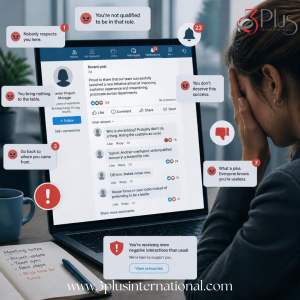
We need to stand-up to the backlash against women and have faith in them
While the number of sexual harassment claims against men in high places is increasing, so is the backlash against women.
Fact is stranger than fiction at the moment in our global lives. This month the Time Person of the Year was awarded to the #MeToo movement. Those women who broke silence and outed sexual harassment. In the magazine’s poll, Donald Trump was the runner-up. The irony cannot be lost on anyone. Everyone is highly excited because, for possibly the first time, the harassed came in at a higher position than a publicly accused harasser. But let’s not get too carried away. He is still on the list and in second position.
Still, in this environment there are the stirrings of a backlash against women for making sexual harassment charges and even public figures such as Sheryl Sandberg highlighting potential fallout.
The Dilemma
The first thing to straighten out is that there has never not been a backlash against women. Do women take a decision lightly to come forward? Of course not. The dilemma women face in sexual harassment cases is beautifully encaptured in this tweet.
Woman reports a predator anonymously.
“Anonymous accusations aren’t credible!”
Woman reports under her name.
“She just wants fame and attention…”
Woman reports years after the attack.
“Why did she wait so long?!”
Woman reports immediately.
“What was she drinking/wearing/doing?”— Laila Lalami (@LailaLalami) December 4, 2017
It is interesting that in the exposure of Kevin Spacey for sexual assaults on men and a male teenager – none, as in not once, did any of these doubts appear to enter the discussion.
Lack of consent is assault
Anything that does not involve active consent is assault. This does not include a failure to say no because a woman is psychologically terrified or physically overpowered or heaven forbid unconscious. There is a great video on consent explained in that very British way using tea as a metaphor. Watch it. There can never be any valid reason for assault. And any backlash against women for making complaints is an emotional assault and needs to be understood as such.
[youtube https://www.youtube.com/watch?v=pZwvrxVavnQ]
Men should hold other men accountable
The number of times men have stepped up recently and said “I knew something was off but didn’t realise how bad it was“. If there is a whiff or a sniff of inappropriate behaviour men need to break their code and look into it. If they have to expose it then they should. They shouldn’t do this because they are husbands or fathers, but because they are men and this culture is damaging to our workplaces and societies. You should do this even if the individual doesn’t raise the issue. If they are silent it is because they are uncomfortable or scared. They need to break their own code.
Inappropriate behaviour shouldn’t need defining. We all know what it is. It is not appropriate to have sex toys in the office (unless you are a vendor of said gadgets). We all know it’s weird for an employee to be able to close a door from a desk. If this is a vanity benefit for an egocentric executive, it’s time to review that person’s compensation package. Justin Baldoni has a superb TED Talk on this very topic. “Why I’m done trying to be man enough”
It’s not a vendetta against men
I have also been engaged in conversations with men who feel uncertain about how they should behave in a professional environment with their female colleagues. They feel nervous about being alone with them in a Mike Pence sort of way, or concerned about how any comment or compliment will be received.
Suzanne Lucas eloquently suggests in her post “It’s not romance at work that is the problem” about anyone being fired for paying a woman a compliment:
Any backlash against women can only be solved by hiring more women and having clear guidelines in our workplaces about what is appropriate and what isn’t, if there is any doubt about what is acceptable and what is not. If these bad practises are so deeply culturally embedded that there is still confusion then we need to follow France’s lead and make the softer harassment of women on the streets and wider cultures illegal.
Get in touch to create sexual harassment prevention programs for your organization that really protects employees.