What our 2026 Career Strategy & Planning Survey tells us about confidence, barriers, and the questions we still need to ask
When we launched the 3Plus International Career Strategy & Planning Survey, we wanted to understand how people approach their careers, what gets in the way, and what support might make a difference. Pre-COVID, 50% of women reported having a career strategy compared to 85% of men. These dropped to unusable numbers post-COVID as men and women alike struggled to think ahead after the upheaval of the pandemic.
The other significant piece of news was that the gap in the process of creating a strategy, both formal and informal, is closing to above pre-COVID levels. See the infographic below. What is perhaps more interesting is that the men creating a career strategy have fallen from 85% to 66%.
The role of confidence
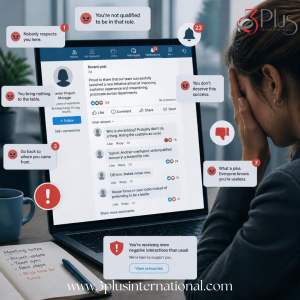
The confidence gap: is that what is holding women back? I am really sick of hearing this.
Our latest research at 3Plus International reveals a striking difference in how men and women perceive their career prospects.
- Anticipating bias and discrimination: 4% of men vs 20.7% of women.
- Foreseeing no barriers to progression: 7.6% of men vs 20% of women.
- Confident of reaching career goals: 36% of men vs 10.9% of women.
What connects these findings?
Men are more than three times as likely to feel confident about reaching their career goals, while women are more than five times as likely to anticipate bias and discrimination.
We often tell women to be more confident, negotiate harder and make their ambitions visible. But confidence doesn’t develop in a vacuum. It is shaped by experience, access to opportunities and whether people believe the system will treat them fairly.

Take a look: Confidence at work: overcoming bias and self-doubt
Career barriers
We asked:
“How confident are you in your ability to achieve your career goals?”
That question naturally invites people to assess their own capability or self-efficacy. It doesn’tnecessarily tell us whether they believe external factors will make achieving those goals more difficult, therefore impacting their confidence.
Someone can be extremely capable and still be uncertain about their prospects because they anticipate discrimination, lack of sponsorship, organisational politics, caring responsibilities, limited access to opportunity, or an unsupportive workplace culture. But those are very different things. We have become used to seeing a lack of confidence as a personal failing not a systemic one.
What would we do differently next time?
Women represented 78% of the sample, meaning the number of male responses was considerably smaller. The gender findings are therefore useful as an indication of a pattern within this sample, but they should not be treated as a representative population comparison. Next time we need to get more men to respond.
We also need to separate confidence in self from confidence in the environment in which you are trying to progress.
The next survey should ask both:
- How confident are you in your ability to achieve your career goals?
- How do external factors make it difficult for you to feel confience to achieve those goals?
We would then ask respondents to identify those factors, including bias and discrimination, access to opportunity, organisational culture, sponsorship, caring responsibilities, financial constraints and confidence or self-doubt.
That distinction matters because telling someone to “build confidence” is very different from asking whether the system gives them a fair chance to succeed. If we want meaningful insight into gender differences, we also need more balanced participation from men if we can.
The lesson from this research is therefore not simply women need more confidence. but that career confidence needs to be understood in context. That is a much more useful question for career strategy, coaching and organisations trying to create genuinely inclusive opportunities.
Perhaps the question isn’t just how we build women’s confidence, but how we build workplaces that give them reasons to feel confident.
Our 2026 Career Strategy & Planning Survey raises an important question: Are we asking women to build confidence when we should also be removing the barriers that undermine it?
At 3Plus International, we believe effective career planning requires both individual agency and access to fair opportunities.
Whether you’re navigating your own career or leading an organisation, the starting point is understanding what helps people progress, and what holds them back.
For individuals: Explore our career development resources and practical tools to help you take greater control of your career direction.
For organisations: Discover how 3Plus International can help you identify structural barriers, strengthen inclusive leadership and create workplaces where talent can thrive.
Confidence matters. But opportunity matters too.
Research: 3Plus International Career Strategy & Planning Survey 2026. 118 respondents.