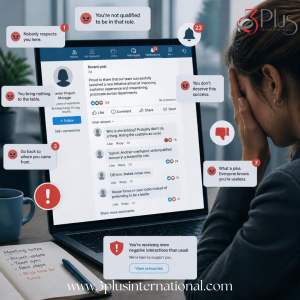
COVID19 boreout the next workplace wellness issue
The symptoms of boreout are very similar to burnout so it can be difficult to tell them apart
Burnout is a syndrome that we have all been hearing about for a number of years especially during the global pandemic. But now we have an accessory to this pattern of malaise, “COVID19 boreout.” Working remotely in isolation does not suit everyone and boreout has been identified as a workplace wellness issue, as employees miss the piece of their job that gave them purpose. Human and social contact. COVID boreout is different to regular burnout, but with very similar symptoms, so it can be difficult to tell them apart.
What is boreout?
Boredom or boreout syndrome is a psychological disorder that causes physical illness, mainly caused by mental under-load at the workplace, due to lack of either adequate “quantitative or qualitative workload.”
Philippe Rothlin and Peter Werder, two Siwss business consultants, identified Boreout in 2007. They examined the causes and impact of this under recognised syndrome. Among other things, boreout is an imbalance between time spent at work and the volume of tasks (or meaningful tasks) to be performed. Other characteristics can include:
- A lack of purpose felt by employees in their work
- A lack of intellectual stimulation
- A lack of prospects for progression
Unlike burnout, boreout can be caused by underwork rather than overwork, which has a negative impact on an individual’s psychological and even physical well-being. There are different levels of boreout. It can kick-in with a low level of meaningful work tasks, (or none at all) leaving someone with a higher level of boring routine tasks, or no work at all.

Symptoms of COVID19 boreout?
Frankfurt psychotherapist Wolfgang Merkle described the symptoms as similar to the burnout syndrome. Although the causes of boreout are very different from those of burnout, the consequences are relatively similar. If you’re suffering from boreout, you might experience the following symptoms:
- Low self-esteem
- Depression
- Feelings of shame and culpability
- Procrastination
- Feelings of disconnect from your organisation and job
- A crisis of social identity if you identify strongly with your job
- A feeling of societal uselessness and helplessness
- Physical symptoms: susceptibility to infection, stomach upset, headache and dizziness
- Insomnia
The impact of these feelings can have a huge impact on the individual, but also effect organisations badly and lead to absenteeism, low productivity and even resignations.
Who is impacted?
There is little research on this and where there is the results are polarised. However, what we do know is that during the pandemic employee engagement has gone up from a previous all time low. So it may not be about usual elements of job satisfaction. A study published by Gallup on May 29, 2020, which surveyed 4,724 employees from mid-April to mid-May suggests that “the ratio of highly engaged to disengaged employees is at an all-time high.” Pre COVID19 some organisations found that as many as 80% of their employees were disengaged.
Employed and under-utilised
COVID19 boreout has been identified in employees who are fortunate to be in employment but their job content has been seriously diminished. During the pandemic for many it was about the part of their jobs they enjoyed, very often the social content, disappearing .
Amelie, a French senior executive told 3Plus “My role is to support the senior management team in promoting the company, its products and services at events, conferences and in the media. With all of the elements disappearing, travel and direct contact and shifting meetings and briefings on line my job content and scope has been reduced to a fraction. I definitely have COVID19 boreout. I am exhausted, despite doing only 25% of what I normally do. I miss the pace and range of my job and above all the social interaction. I am suffering from Zoom Doom. Although I am looking for things to do anything at a lower level, that takes work away from my team who are suffering in the same way.”
Employed and under stimulated
The current health and economic crisis makes the situation worse, with less scope than before to expand the more purposeful elements of a role. The lack of human interaction is leaving many unfulfilled with many feeling innovation, creativity have been stifled. Online communication is intentional and the random meeting has all but disappeared. Chance encounters in corridors or airport lounges are almost a part of business history. Governments have outlawed large events until 2021 and within companies, business leaders are keeping meeting numbers to a minimum for social distancing reasons. Some participants are even logging in on Zoom from another part of the building.
Justine, a London based Commodity Analyst, summed up the situation ” I can identify with “COVID19 boreout.” I feel tired for no reason and lacking in motivation. It’s not about under work, because I have more than enough to do. It’s about a lack of the right type of work and interaction. My job is all about numbers, so much hasn’t changed and lends itself to remote working. But stripping away the social and human interaction has left me with the framework of my job without the buzz of personal contact. Sure I can do it online, but it definitely isn’t as satisfying. My organisation is looking at keeping a higher number working remotely next year and I don’t want that at all. ”
For those employees who love the energy they get from human interaction, the continued isolation behind COVID19 boreout is going to become a critical workplace wellness issue.
Take a look at our Lockdown Learning Program: How to manage remote teams more inclusively