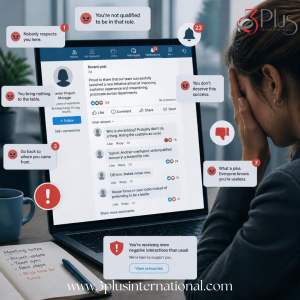
How mental health and menopause are connected
Nicki Williams of Happy Hormones shares how mental health and menopause are connected and what you can do to feel better
Both mental health AND menopause are finally getting the attention they rightly deserve.
But for many women going through menopause, symptoms are STILL getting mixed up and often misdiagnosed.
That’s because menopause isn’t just about physical symptoms like hot flushes and night sweats. Perhaps even more common are the symptoms that are similar to mental health issues; low mood, anxiety, mood swings, low motivation and brain fog.
Worth a read: Tips to deal with brain fog – 3 Plus International
I had hoped that things had changed since I was offered anti-depressants for my mood swings and brain fog in my 40’s, but I’m still hearing similar stories every single day from women in our clinic. It cannot continue to be a first-line treatment for menopause when it’s hormones that need to be addressed!
You can watch the video below or listen to the podcast (episode 78).
What hormones can cause mental health issues?
There is a strong relationship between hormones and the brain. Signals from the brain determine which hormones are produced, and hormones in the body also influence brain activity and mental health.
Cortisol – Stress today is unrelenting, especially in midlife, and especially in the last year with everything that’s been happening! High (or low) levels of cortisol can interfere with your brain neurotransmitters, notably serotonin (your ‘happy’ hormone), dopamine (the ‘feel good’ hormone) and GABA (your ‘calming’ hormone).
Thyroid – thyroid function can worsen as we age and particularly if we’re stressed. Thyroid hormones can slow down your brain function and this can result in depression, anxiety, brain fog and memory loss.
Oestrogen – oestrogen levels can fluctuate wildly during peri-menopause. Too much oestrogen can cause irritabiity and anxiety. Too little can make you depressed, foggy and over-emotional.
Progesterone – progesterone has a calming effect on the brain, it stimulates the brain’s GABA receptors, the feel-good, calming neurotransmitters, and it declines sharply after the age of 35.
Testosterone – not just a male hormone, women need it too. It can rapidly deplete as we get older, and can result in low mood, motivation and increased anxiety.
Insulin – in menopause we are more prone to insulin resistance, which can lead to inflammation in the brain, altering your mood.
Vitamin D – is actually a hormone with a large number of receptors in the brain. As many of us live in areas with little sunshine for large parts of the year, deficiency is common. Low vitamin D is linked with mood disorders and depression.

How to balance your hormones for improved mental health
- Manage your stress – prioritise switch off time EVERY DAY, whether that’s doing some deep breathing, mindful meditation, taking a walk in nature, reading a book, listening to music. Just plan it into your routine.
- Balance your blood sugar – limit that risk of insulin resistance impacting your brain. Eat protein and healthy fats at each meal with plenty of vegetables and fibre. Limit sugar, alcohol, caffeine and refined carbs. Avoid snacking between meals if you can.
- Move more – exercise helps to improve mood and stress levels. But find the right balance for you, don’t be too sedentary but don’t over-exercise either – that can be detrimental if you don’t have the energy reserves. Do what feels good.
- Top up your Vitamin D – Get some sunshine on your skin, OR take a supplement (2000-4000iu per day).
- Eat brain-healthy foods – Oats, brown rice, quinoa, eggs , turkey, dark chocolate, seeds, seafood, oily fish and dark green leafy veg.
- Add in some hormone balancing foods – Phytoestrogens – these plant like oestrogens can help to balance menopausal changes; organic soy, flaxseeds, chick peas, lentils. And Cruciferous vegetables – think broccoli, cauliflower, cabbage, kale, chard, Brussel sprouts – these veggies can help to detox excess hormones through your liver
- Try Body Identical HRT – if your symptoms are caused by low levels of oestrogen and progesterone, the natural form of HRT can be really helpful to replace those hormones.
- If you can, get yourself properly tested – hormones, gut health, nutrients all have an impact on our mental health and brain function (especially Vitamin D and B12). Talk to us about our testing programmes and support.
Worth a read: Anxiety in menopause. Natural ways to feel better – 3 Plus International
Supplements for brain health
Nutrient deficiencies can contribute to low mood and other mental health issues. It’s important to make sure you’re eating nutrient-dense foods that support your hormones and adding in supplements to support brain health;
- A good multivitamin will give you added B vitamins (especially B6, folate and B12) – needed for neurotransmitter function, as well as key minerals needed for brain cells (including zinc)
- Omega fats – EPA, DHA and GLA – your brain is made up of 60% fat!
- Magnesium – thought to help improve brain plasticity
- Vitamin D – helps to reduce inflammation and regulate nerve cell function
- 5-HTP can be helpful for low moods (not if you’re already taking an antidepressant). It contains Tryptophan – an amino acid that is a precursor to serotonin
Check out my collection of recommended brands at Approved Vitamins.
If you suspect your mood may be linked to hormones or menopause, please CONTACT us for more information on how we can help.
Download the 3Plus Podcast: Menopause in the workplace with Nicki Williams and Dorothy Dalton