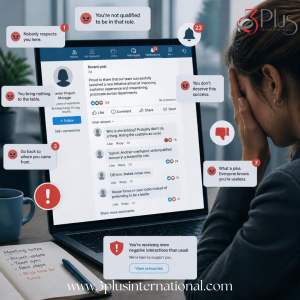
Non-Physical Domestic Violence Tactics
Non-physical forms of domestic abuse can be equally damaging and include various psychological, emotional, financial, and social manipulations
October is Domestic Violence Awareness Month. I am of a generation when books such as Scream Quietly or the Neighbours will Hear by Erin Pizzey (1983) and The Woman Who Walked into Doors by Roddy Doyle (1996) started to expose the topic. DV was very much something that happened behind closed doors and no one talked about it. Fortunately today that’s different but not always.
We often tend to consider domestic violence as physical abuse but it is more much more than that. There are so many ways that violence can be meted out by an abusive partner which including financial, psychological, and emotional tactics to humiliate and control a partner.
Domestic abuse often involves tactics of coercion, manipulation, and control that extend beyond physical violence. Non-violent forms of domestic abuse can be equally damaging and include various psychological, emotional, financial, and social manipulations designed to exert control over the victim. Here are some common non-violent tactics used in domestic abuse:
Non-physical forms of domestic abuse
1. Emotional Abuse
- Gaslighting: Manipulating someone into questioning their own reality, memories, or perceptions.
- Verbal abuse: Constant criticism, belittling, name-calling, or degrading remarks either privately or publically.
- Silent treatment: Withdrawing communication as a form of punishment or control.
- Blaming: Shifting responsibility for problems or abusive behaviour onto the victim.
- Emotional blackmail: Using guilt, fear, or obligation to control the victim’s actions.
- Withholding affection: Denying emotional support or love to punish or manipulate.
Worth a read: Systemic gaslighting of women with language – 3 Plus International
2. Psychological Manipulation
- Mind games: Intentionally confusing or misleading the victim to undermine their confidence or independence.
- Isolation: Limiting the victim’s contact with family, friends, or support systems to create dependency.
- Jealousy & possessiveness: Creating constant suspicion or accusing the partner of cheating or disloyalty.
- Threats: Threatening to harm themselves, others, or pets, or to leave the relationship to instill fear.
- Breaking trust: Control through failing to carry through on promises or commitments and general unreliability.
Worth a read: DARVO tactics explained – 3 Plus International
3. Financial Abuse
- Controlling finances: Restricting access to money, refusing to let the victim work, or monitoring their spending.
- Controlling employment: Preventing the victim from holding a job by causing issues at work or refusing help with responsibilities.
- Stealing or controlling partners’ money: Taking control of the victim’s earnings or assets without their consent to limit their independence.
4. Verbal abuse
- Yelling, and swearing insults to intimidate and overwhelm
- Criticism – constantly belittling or demeaning a partner
- Sarcasm and mockery
- Interrupting and dismissing a partner
- Name-calling and making unfounded accusations

5. Social Abuse
- Isolating from social circles: Discouraging or preventing the victim from seeing friends or family.
- Ruining reputation: Spreading rumours or embarrassing the victim publicly to diminish their self-esteem or social standing.
- Controlling social media: Monitoring or restricting the victim’s use of social media or communication platforms.
6. Sexual Coercion (without physical force)
- Manipulative guilt: Coercing the victim into unwanted sexual activities by making them feel guilty or obligated.
- Sexual manipulation: Withholding sex or even affection as a form of punishment or reward to control the victim’s behaviour.
7. Intimidation & Coercion
- Stalking or monitoring: Constantly checking on the victim’s whereabouts, phone calls, or texts to ensure control. Tracking a partners car or devices with technology as a form of control.
- Destroying property: Damaging or threatening to destroy possessions of importance to the victim (e.g., sentimental items).
- Manipulating children: Manipulating the victim by threatening to take children away or undermining their relationship with them.
8. Manipulation of Dependency
- Creating dependency: Deliberately fostering dependency by sabotaging the victim’s access to resources or support (e.g., making them feel they can’t survive alone).
- Undermining independence: Discouraging self-confidence or personal growth by ridiculing attempts at independence (e.g., education, career).
If you need help with your career, or to regain your confidence get in touch at info@3plusinternational.com
9. Spiritual or Religious Abuse
- Distorting beliefs: Using religious beliefs or cultural traditions to justify control or obedience.
- Forcing religious practices: Coercing or preventing participation in religious or spiritual activities.
10. Parental Alienation
- Turning children against the other parent: Using the children as pawns to undermine the victim’s relationship with their children.
These non-violent tactics can create a profound and pervasive form of control, leaving the victim feeling powerless, trapped, and fearful even without the use of physical violence. Recognising these forms of abuse is crucial for both victims and those supporting them to intervene effectively.
If you feel you are bringing trauma from domestic violence and abuse into the workplace and it’s impacting your career – get in touch now..
Learn to successfully speak up