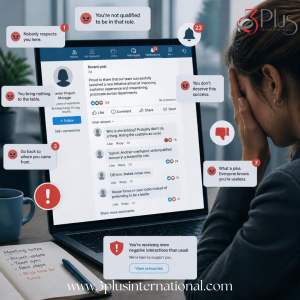
Oversharing on Social Media: Why Less is Better

Published on: July 3, 2025

By:

Oversharing on Social Media: Why Less is Better

The downsides of oversharing on social media

We lived in an age where we were encouraged to “share everything,” and to show up as our authentic selves in everything we did. And we have seen everything – sometimes more than we wanted to. But is that about to change? Today the ecosystem is shifting and there are lots of vibes that caution needs to be factored in more closely.

Social media has revolutionised the way we connect, communicate, and present ourselves,  but with that opportunity comes a need to protect our privacy, mental health, and even physical safety. It’s easy to forget that not all parts of our lives belong online.

Normal risks

Back in the day, oversharing referred to revealing too much personal information online,  from vacation plans and location check-ins, to family matters, mental health issues and financial updates. While it might feel harmless or even fun in the moment, oversharing can have serious consequences.

At one time we worried about posting photos of our holidays and our homes would be burgled or being misunderstood.  The arrival of AI has taken this to a whole new level

Impact of AI

The smarter AI becomes, the more careful we need to be with what we share.

 AI can and does scrape online content,  especially public posts on social media, blogs, forums, and other user-generated platforms. If your content is public, it’s accessible not only to people but also to algorithms that collect data for a variety of uses. These can range from ad targeting and content personalisation to more concerning applications, such as facial recognition training, profiling by data brokers, or even AI models being trained on your words, photos, and patterns of behaviour. Even if you delete a post, it may have already been captured, cached, or distributed elsewhere through automated tools.

oversharing on AI

Amplifies oversharing

AI also has the power to amplify the effects of oversharing. Algorithms that govern platforms like Instagram, TikTok, and Facebook are designed to boost content that triggers strong engagement, often the most emotional, personal, or controversial posts. That means an offhand comment or deeply personal story might travel far beyond your intended audience, reaching strangers or even going viral. You no longer have control over who sees it, and the scale of that exposure can be far greater than people realise when they hit “post.”

Cyber crime

Beyond amplification, AI can also be used against people who overshare. Cyber criminals and bad actors can use publicly available information to generate scams, phishing messages, or even deepfakes that impersonate your voice or likeness. If you’ve posted videos, photos, or tagged your location frequently, that content can be turned into raw material for identity theft or social engineering. AI makes it easier and faster for attackers to build convincing fakes or targeted deception campaigns using your own data.

Some upsides

On the other hand, AI isn’t just a threat; it can also be a tool to help protect people from the dangers of oversharing. Newer privacy-focused technologies use AI to warn users when they may be sharing sensitive information, such as personal addresses, financial details, or metadata in images. AI can also help individuals analyse their digital footprints and suggest safer behaviours, like removing geotags or switching privacy settings.

But be cautious

Oversharing online has always carried risks, but AI significantly amplifies those risks. It makes personal content easier to collect, faster to spread, and more vulnerable to misuse. The more intelligent and capable these systems become, the more careful we need to be about what we share and how we manage our digital presence.

In a world shaped by AI, privacy is no longer just about secrets; it’s about strategy. Remember AI can dig out the receipts better than any personal research and the internet is forever.

Your digital footprint is now part of your professional reputation.

If you want to build a thoughtful, strategic online presence, explore 3Plus International’s personal branding coaching or start with our practical guide: Download LinkedIn in 10 Minutes a Day for Busy Professionals.


    Written by

    Staff Writer Leadership
    Staff Writer Leadership
    A member of the 3Plus content team.

    Related Posts

    Will the EU AI Act Make Recruitment More Equitable?

    Will the EU AI Act Make Recruitment More Equitable?

    AI regulation, recruitment bias, and the challenging question of whether financial penalties will change corporate behaviour.  The EU AI Act is supposed to make artificial intelligence safer, more transparent and more accountable, and I have great faith in it although

    Published on: November 4, 2026

    Career Confidence Is Not the Whole Story

    Career Confidence Is Not the Whole Story

    What our 2026 Career Strategy & Planning Survey tells us about confidence, barriers, and the questions we still need to ask When we launched the 3Plus International Career Strategy & Planning Survey, we wanted to understand how people approach their

    Published on: October 21, 2026

    LinkedIn, Harassment and the EU Digital Services Act

    LinkedIn, Harassment and the EU Digital Services Act

     What Five Transparency Reports Reveal LinkedIn presents itself as a professional networking platform, yet many members especially women report being subjected to sexual ahrassment and bullying. How well does it protect users from these behaviours, and how consistently does it

    Published on: October 17, 2026