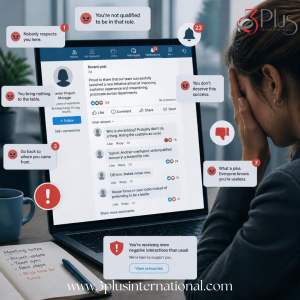
Do you consider Psychosocial Safety in your workplace?
A psychosocial hazard is anything that could cause psychological harm (e.g. harm someone’s mental health) which should make building psychosocial safety a priority for all organisations. Psychosocial hazards encompass various pieces of the working environment and job design which are primarily linked to the social and organisational aspects of work. Identifying and minimising them is essential for creating a safe and supportive work environment.
When organisations pledge to guaranteeing the psychosocial safety of their employees, they are committing to outlawing many toxic behaviours that have been normalised in our workplaces.
Common Psychosocial Hazards
In the workplace common psychosocial hazards include:
- job demands
- low job control
- lack of role clarity
- poor management support
- poor organisational change management,
- violence, bullying, discrimination and harassment
- an unsafe or hazardous working environment
- toxic workplace relationship characterised by conflict rather than collaboration
- inadequate rewards and recognition
- traumatic events caused by exclusion
- remote or isolated work.

When organisations optimise psychosocial safety it means that their culture, conditions and practices ensure that employees feel mentally and emotionally secure. It focuses on fostering an environment where employees’ psychological well-being is supported, and they are protected from all the stressors listed above.
Difference between Psychological Safety and Psychosocial Safety
There is a difference between psychological and psychosocial safety even though they are interdependent and overlap
Psychological safety is about feeling safe to share thoughts and concerns without fear, while psychosocial safety encompasses the broader environment that supports mental, emotional, and physical health at work.
Psychological safety is a concept that supports that no one will not be punished or humiliated for speaking up with ideas, questions, concerns, or mistakes. Psychological safety is about creating an environment where employees can express themselves freely and take calculated risks, without facing negative repercussions such as ridicule, punishment, humiliation, or social isolation. It is a fundamental cornerstone of a healthy and productive work culture.
Psychological safety fosters a workplace culture that nurtures innovation, creativity, teamwork, and employee engagement – importantly not everyone is in agreement all the time. When employees feel safe, they are more likely to contribute their best ideas and collaborate effectively. It also leads to better decision-making and overall organisational performance.
Key Aspects of Psychosocial Safety in the Workplace
1. Protection from Work-Related Stress
Organisational leaders should protect employees from excessive stress because of high workloads, unrealistic deadlines, or inadequate resources. They can do this via correct planning of workload across all resources to ensure reasonable workloads, with clearly defined expectations. When it does happen they should provide stress management programmes to protect psychosocial safety..
2. Prevention of Harassment and Bullying
The environment must be free from bullying, harassment, and discrimination. Companies should implement clear guidelines and policies, with reporting mechanisms, and consequences for such behaviour. Companies should have zero tolerance policy to all forms of bullying and harassment.
3. Respectful Communication and Relationships
A respectful, inclusive, and supportive culture promotes psychosocial safety. This includes open civil communication, to foster mutual respect between team members, and positive interactions between employees and management. Company leaders should openly role model these behaviours.
4. Involvement in Decision-Making
Involving employees in decision-making processes, especially in areas that affect their work, will impact their sense of control to reduce feelings of helplessness or disengagement.
5. Support Systems
Organisations should provide access to mental health support through Employee Assistance Programmes (EAPs), counselling, or other wellness initiatives. This can include Apps and other online platforms. Offering resources for employees who may be struggling is a key element of psychosocial safety.
6. Work-Life Balance
Employers should encourage work-life balance by allowing flexible work arrangements, promoting reasonable work hours, and respecting boundaries between personal time and work responsibilities. This helps prevent burnout and stress.
Worth a read: Presence and availability culture revisited – 3 Plus International
7. Role Clarity
Employees need to understand their roles, responsibilities, and what is expected of them. Confusion or constant changes in job duties can lead to anxiety and stress, negatively impacting psychological well-being.
Impact of Poor Psychosocial Safety
Workplaces lacking in psychosocial safety can lead to several negative outcomes:
- Increased stress, anxiety, and depression
- Higher absenteeism and turnover rates
- Lower productivity and engagement
- Burnout
- Toxic workplace culture
Benefits of a Psychosocially Safe Workplace
A workplace that prioritises psychosocial safety should experience:
- Higher employee morale and satisfaction
- Increased productivity and creativity
- Lower absenteeism and turnover
- Better teamwork and collaboration
- Reduced workplace conflict and tension
Psychosocial safety is critical for the long-term success of both employees and organisations, helping to create a positive, supportive, and sustainable work environment.
If your organisation is working to strengthen psychosocial and psychological safety in practice, contact 3Plus International to discuss how these issues appear in your workplace.