How organisations deal with sexual misconduct will be critical to their employer brand
In a digital era companies can no longer have no or ineffective policies related to sexual misconduct
2017 was characterized by the #MeToo movement, with allegations related to sexual misconduct at every level of severity. One accusation after another surfaced against powerful men in every walk of life: media, movies, politics, academia, industry and business. Resignations, retirements or terminations followed and men such as Damian Green, Harvey Weinstein, Kevin Spacey, Dustin Hoffman, Brett Rattner, Garrison Keillor, Matt Lauer, once leaders in their field, were disgraced.

Earlier this month we also saw the launching of the Times Up initiative. This was created by 300 powerful women and some men to extend the reach of the anti-sexual harassment campaign. It aimed to move it from mainly wealthy, white women to a wider public, and make the “me” a “we”. This momentum has shifted the focus on trying to brush these behaviours under the carpet, finally making the accepted unacceptable and the tolerated intolerable. It is also shining a light on sexism and sexual harassment that women who are not rich and famous experience to different degrees in their daily lives. This happens in all sectors from hospitality to agriculture, banking and business. It is clear that these behaviours are so embedded in our cultures that many men, and even women, aren’t aware of them or still chose to minimize or ignore them.
3Plus offers a comprehensive mentoring service to help you find a senior, confidential woman with experience to guide you and help you reach your full potential.
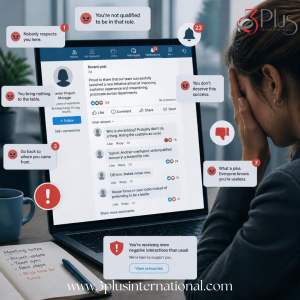
But there is no doubt that women are increasingly going to be looking at organisations and making assessments on where that company stands in relation to a sexual misconduct policy. Social proofing sites allow the publication of comment and feedback which can be damaging to an employer brand. Social media extends the reach of any negative publicity. As we have seen, it doesn’t take long for things to go viral.
5 Actions employers should take in relations to sexual misconduct
#1 Declare and publicise a zero tolerance policy
Every company should have a clear and highly visible policy around sexual misconduct. This should be visible on web sites, career pages, in the employee hand book and intranet. Two words only are important. Zero tolerance. Communicate that your workplace is charactarised by inclusion and respect. In a period when political correctness sometimes gets push back, it’s important to deal with that firmly and publically at every level of leadership.
#2 Create a conscious culture
All organisations should be rapidly working towards creating a culture where calling out daily sexism is a corporate cultural norm. Unconscious bias training should be mandatory to monitor gender coded expectations and behaviours. Many people genuinely have no idea they have crossed a line and lack of education should now no longer be part of that ignorance, especially in multi-cultural environments. What is acceptable in one culture is not in another.
The focus should be positive affirmation around desired results, rather than focusing on the outlawed behaviour. Bystanders should also be encouraged to intervene. They have to understand that they are equally culpable if they say and do nothing when they witness something inappropriate. It’s also important to look at activities that are exclusive – trips to bars and nightclubs, even strip joints can be part of the way some organisations do business and entertain. It’s time to evaluate the relevance and appropriateness of that. Become mindful of other things that are inherently sexist. Scantily clad dancing-girls at parties and conferences are still reported and defended – even by HR reps. There is no place for that in the 21st century.
#3 Create safe reporting channels
Creating safe and confidential channels for more serious allegations. Whether these are online, via a hotline or in person, they are important. Targets or victims should not feel ashamed, afraid or intimidated to step forward.
#4 Respond appropriately
The days of brushing any allegations under the carpet and hoping they will go away, especially if the perpetrator is high-profile or high value (which they frequently are), are gone. It’s important to apply consequences dependent on the level of gravity – disciplinary action or dismissal. In grey areas where it’s a case of one person’s word against another, the reporter should not be penalized for speaking up. Historically and frequently in the case of a woman, especially if she was more junior, she would be moved to another department. Any decision to do that should be carefully considered and offset against the risk of repeat offences from the perpetrator.
#5 Actions make the brand
The saying “Don’t tell me what you’re going to do, show me” rings true.
Many organisations pay lip service to having inclusive and bias free cultures. The reality is that companies now, regardless of sector, need to be seen as safe and secure places to work where necessary action will be taken if required. They are all being measured. How an organization handles sexual misconduct and even every day sexism, and the policies they have in place to deal with them, are going to be an essential part of an employer brand.
Those that don’t get in the zone will be found wanting and will suffer as a consequence. They will find it hard to attract the right talent, with the obvious impact on the bottom line.
Make sure all people in your company, including managers, are aware of their own biases with our Managing Unconscious Bias Workshops.