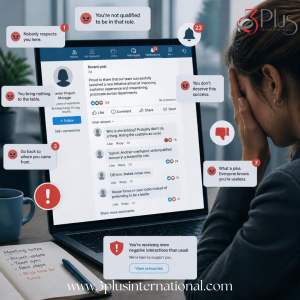
Systemic gaslighting of women with language is so deeply embedded into our cultures that we barely notice it.
“We are what we think ” or so the line goes. Language matters. It shapes our thoughts which in turn impact our actions. The phrase covers fundamental concepts in philosophy and psychology, from mindfulness to positive thinking. Language has the power to influence our thoughts and shape our reality, behaviour, and overall well-being.
It can also do the reverse. Gaslighting is a form of psychological manipulation that seeks to make individuals doubt their own perceptions, memories, and sanity. When this occurs on a wider cultural scale, the consequences can be far-reaching and deeply unsettling.
Systemic gaslighting
Systemic gaslighting involves the pervasive use of language within institutions, media, and wider cultures to distort reality, obscure the truth, and control narratives. This can manifest in various forms, from the softer nuances to the more overt.
1. Hard gaslighting
This is when language is intentionally weaponised for more insidious purposes via deliberate misinformation or propaganda, typically for a specific group to gain control of a narrative. This is a common strategy in authoritarian states. We are starting to see this frequently today.
2. Soft gaslighting
We also have situations where language is so deeply embedded into our cultures that we barely notice it but it is still a form of systemic gaslighting. Nowhere is this more apparent than when we deal with discrimination against women. Just because it’s more subtle it doesn’t make it less damaging.
- Media Manipulation
Media plays a crucial role in shaping public opinion, and when language is used for systemic gaslighting, it can lead to the spread of misinformation and the erosion of trust. This is when those in a position of power selectively frame situations to maintain a position of power. It contains biased language, and repetition of misleading narratives which leads to a distorted version of reality that suits certain interests.
- 2. Institutional Gaslighting
Within social institutions, language can be wielded to perpetuate harmful norms and maintain power structures. Discriminatory policies may be disguised in bureaucratic jargon, and systems protected by euphemistic and misleading language. Victims of systemic gaslighting within institutions may find themselves questioning their own experiences and perceptions, contributing to a cycle of disempowerment.

Systemic Gaslighting of Women
The language of violence against women is an area where this happens frequently. When we talk about violence against women – it is largely passive. This is a form of gaslighting. There is rarely a mention of the perpetrator. A man or men.
To quote Jackson Katz the gender violence expert ” …. nobody is doing it to them. It just happens to them. Men aren’t even a part of it.”
Reframing the narrative
We tell women:
?”Don’t jog alone in the park ”
?”Carry pepper spray when you walk alone at night”
?”Take the license plate of your cab”
?”Keep your phone open going home”
?”Don’t leave your drink unattended”
We DON’T tell men not to attack women.
Hell, in the EU we are struggling in some countries to call non-consensual sex rape.
In the US “child marriage” is legal in 44 States. What other name would you suggest to replace that phrase?
Legalisation of the rape of minors by older men
When the media report assault it’s framed as
?”Woman attacked in park”
?”Woman drugged in bar”
We victim blame and use DARVO tactics saying:
?”had it coming”
?”was wearing a short skirt”
?” was drunk”
?” shouldn’t have gone that way on her own”
?”was asking for it”
It is going to be hard to hold men accountable until we change the narrative. To do that we need to change the language and call it what it is. “Male violence against women.”
3Plus initiative
3Plus joined the UN campaign # violenceagainstwomenandgirls with one big difference. We want the hashtag to begin with #MALEviolenceagainstwomenandgirls. I attended a UN training on inclusive language where the presenter told the group that passive language is used to protect the dominant group.
I then posed the question in the chat, why did their hashtag not contain male violence at the beginning? This is a screenshot of his response. Perhaps someone can unriddle this for me because it sure as hell makes no sense to me.

However, I am delighted to report the huge success of our meme campaign showing the ways we shift the responsibility for male behaviour to women, which is systemic gaslighting. Kudos to Nicky Jesse for pulling that together at such short notice.

Calling our systemic gaslighting
Language is a double-edged sword, which we can use positively for progress or negatively to manipulate the narrative. Never has the phrase “choose your words carefully” been so vital.
Institutional gaslighting in the workplace is part of a toxic culture that needs to change. Contact 3Plus for further information