When you attend a massive event such as HRTech Paris, there are lots of small side moments, that stand out like treasures in a general flood of information and experience overload. It takes a while to shake them out in a thought pan-handling type of process.

After a few weeks this was one of my stand out moments. It was having breakfast with Megan Conley, CEO & Co-Founder of Social Tribe in San Francisco. Before anyone thinks I’m arranging high-powered early morning meetings. This was not the case. It was completely spontaneous, two people talking in the morning!
Communication overload!
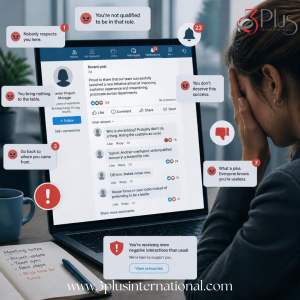
One of the main topics of conversation – I can’t remember how, was not just how people communicate but the many levels of interaction which we now manage at anyone time. What is becoming a modern-day challenge is managing communication preferences both socially and professionally, factoring in cross generation practises.
Megan it seems, usually works with two open screens, plus other devices. She listed the now overwhelming possibilities for communication: email, phone calls (land line and cell) text, in-house intranet, and in-person (yes occasionally!) Whatsapp, Facebook chat, Twitter DM, Google Hangouts, Skype IM, LinkedIn InMail, Kik, Slack, Yammer, Dropbox and other file sharing platforms.
Managing Expectations
As you might imagine I don’t do most of those. But one question I am starting to bring into the setting up of a candidate or client relationship is to ask the person to tell me their preferred method of communication.
When I am the client I expect the vendor to communicate the way I want to. If any contracts or legal documents are involved I insist on email unless the files are massive. One thing I have also observed is that as more and more people use their phones for written communication, the number of instances of information not being correctly processed is rising.
[Tweet “In other relationships I now ask for a preference.”] This is important because if we don’t agree in advance to manage expectations, it is really easy to mis or fail totally to communicate. One mentoring relationship I was overseeing, got into difficulty because the mentee (Gen Y) was communicating by Skype chat and the mentor (Boomer) was expecting email. It is now firmly embedded in our mentor training programme to establish how mentor and mentee will communicate from the outset.
Check out the 3Plus Mentor Gallery.
The role of the phone call – now known as a voice call, is changing both professionally and socially. People check voice mails less and less – or is that just my kids? Read: Should voice calls make a comeback?
Miscommunication
I would never check my DMs on Twitter for example, because they are filled with automated spam thanking me for following someone. Please stop. It’s so old. I get dozens a day and wouldn’t waste time trawling them. I now integrate regular checks of Facebook messaging, because I notice that certain demographics of my contacts, prefer to communicate there. Skype IM, LinkedIn mail I check regularly as a matter of course.
Katrina Collier, social recruitment expert and fellow HRTech blogger, highlighted the importance of recruiters making the effort to be heard. I would also make the same point to job seekers. It’s important to evaluate the preferences the person with whom you are communicating. It’s equally important not to assume that everyone communicates the way you do. 5 years ago I would not have sent a candidate a text. Now I would.
But one of the things that Megan and I both agreed on was there are some situations where direct contact, either face to face or on the phone can never be replaced by any type of sophisticated social media communication platform.
What we are seeing is a need to be both strategic and empathetic in managing our communication preferences. If we don’t, we run the serious risk of communicating into a void.